
ISPM-15 Compliance: Why It Matters in Export Packaging
ISPM-15 (International Standards for Phytosanitary Measures No. 15) is a global regulation developed to control the spread of pests and diseases through wooden packaging materials used in international trade.
It applies to wooden pallets, crates & boxes, and dunnage used in shipping and export packaging.
Why ISPM-15 is Important?
- Prevents shipment rejection at destination
- Avoids penalties and export delays
- Ensures smooth customs clearance
- Protects goods from pests
- Builds trust with global clients
ISPM-15 Treatment Methods
- Heat Treatment (HT): Wood heated to 56°C for 30 minutes
- Fumigation (MB): Chemical treatment for pest control
- HT is eco-friendly and widely accepted globally
- MB is being phased out in many countries
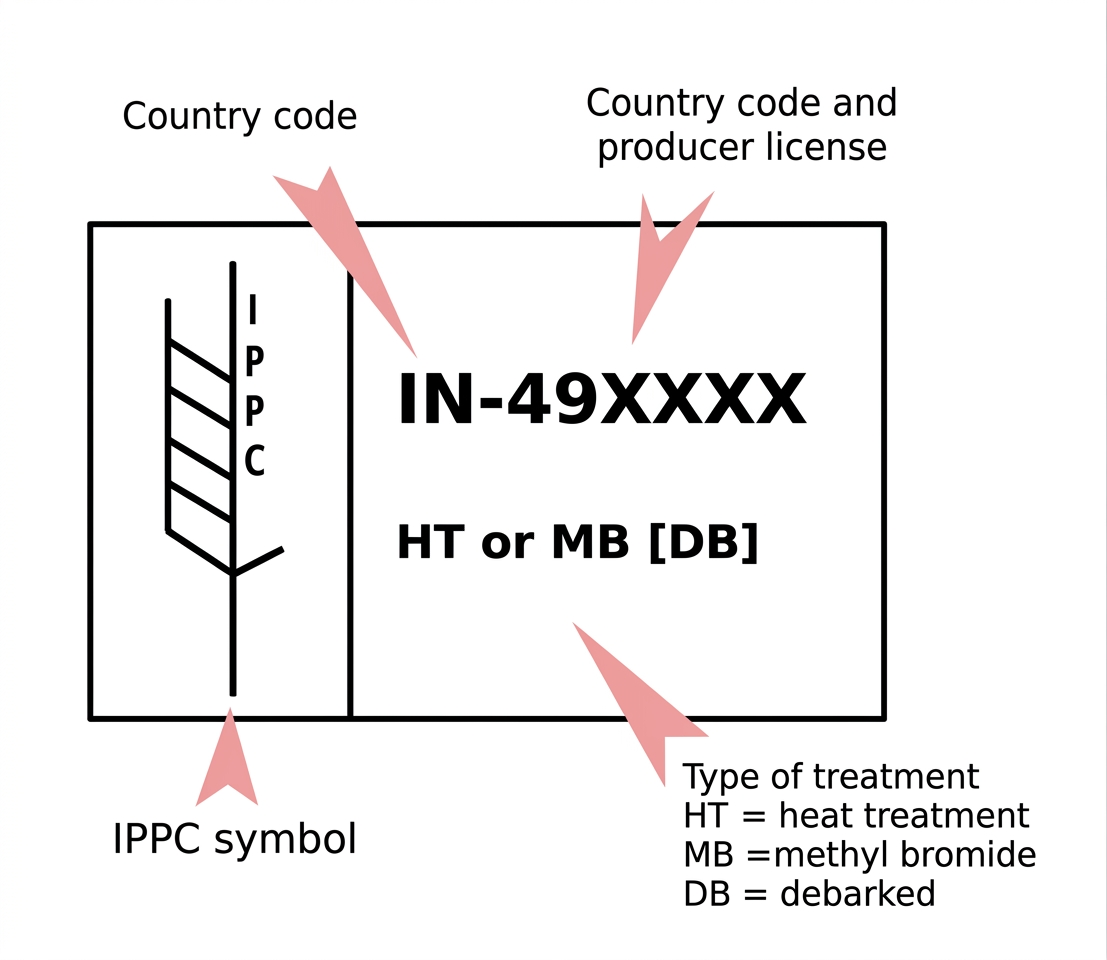
Understanding the ISPM-15 Mark
Every compliant pallet must carry a valid ISPM-15 stamp that includes:
- IPPC logo
- Country code (e.g., IN)
- Unique manufacturer code
- Treatment code (HT or MB)
Countries Requiring ISPM-15
Almost all major trading countries follow ISPM-15 compliance:
- USA
- Europe (EU)
- Australia
- China
- Middle East
How We Ensure Compliance
- ISPM-15 certified wooden pallets
- Heat-treated pallets (HT)
- Export-standard packaging
- Proper marking & documentation
- Refurbished pallets with compliance support
Pro Tip for Exporters
- Check ISPM stamp visibility
- Verify certified supplier
- Ensure documentation is provided
- Avoid non-compliant pallets
Conclusion
ISPM-15 compliance is essential for global trade success. Using certified pallets ensures smooth logistics, protects goods, and builds long-term trust with international clients.